A Tropical Storm Near Brazil Is Only the Third Ever Recorded in the South Atlantic Ocean

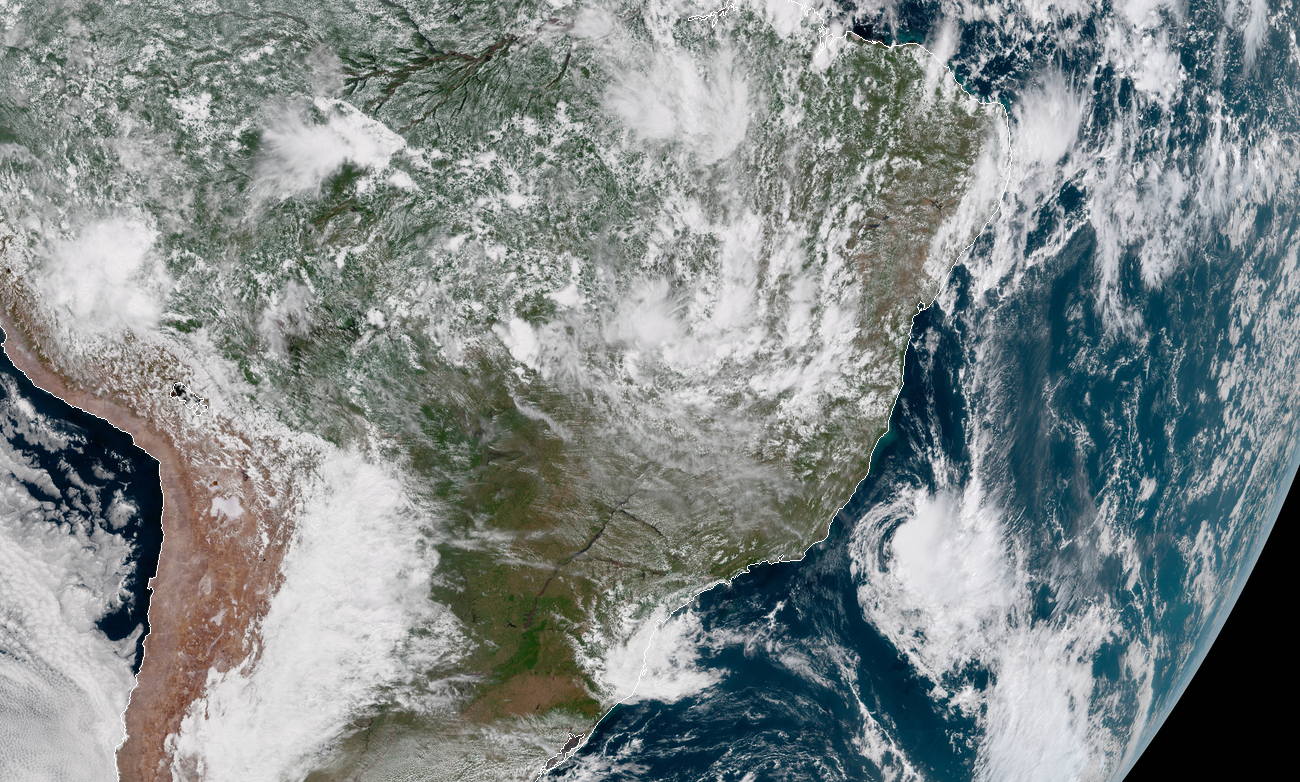
A rare tropical storm formed off the southeastern coast of Brazil this weekend, a difficult feat for the hostile atmosphere over the southern half of the Atlantic Ocean. Tropical Storm Iba is one of just a handful of tropical cyclones to form in this part of the world in the era of modern weather observation. The storm will pose no threat to land.
Iba is right around its peak intensity at the time of this post, packing maximum sustained winds of about 50 MPH with higher gusts. Wind shear has displaced most of Iba’s convection off to the southeast of the center of circulation, which has been exposed for most of the storm’s existence. The tropical storm will dissipate over open waters in a day or two.
The South Atlantic Ocean is conspicuously devoid of tropical cyclone activity compared to the northern half of the ocean. While the water gets warm enough to sustain tropical cyclone development, the region lacks other ingredients necessary for storm development.
Tropical waves pumping off the western coast of Africa are the driving force behind bustling hurricane activity in the northern Atlantic. These disturbances seed tropical cyclone development if they root themselves in an environment favorable for strengthening. We don’t see these seeds for development across the South Atlantic, which doesn’t leave many opportunities for tropical cyclones to form. Strong wind shear across the region rips apart any clusters of thunderstorms that try to take root, shutting them down and preventing further development.

Tropical Storm Iba managed to form thanks to reduced wind shear, warm waters (sea surface temperatures on Monday are pictured above), and thunderstorms that managed to persist long enough for a surface low to form and keep the system going. Iba is a full-fledged tropical entity. It’s not exactly pretty, but it’s a whole lot of something for a region where these storms don’t really happen.

Brazilian weather authorities chose the storm’s name because tropical cyclones are so rare in the southern Atlantic Ocean that there’s no official naming convention for the basin. Tropical Storm Iba is just the third official tropical cyclone to form in this part of the world since reliable records began.
You can see from the map above just how rare storms are around the South America. NOAA’s official record of past tropical cyclone tracks shows just three storms in the South Atlantic Ocean. The first in the list is Hurricane Catarina, a full-fledged hurricane that shocked meteorologists in March 2004. The storm strengthened to the equivalent of a category two hurricanes with 100 MPH winds before making landfall in Santa Catarina, Brazil.
Tropical Storm Anita, a minimal and short-lived system, developed in March 2010 around the same area as Catarina. The third storm on that map is Subtropical Storm Arani, which formed in June 2011. There have been many more subtropical storms (not listed in the official record) in the years since then—the healthiest of which was Subtropical Storm Bapo in 2015—but Iba is the first truly tropical entity since Anita in 2010.
March seems to be the best time of the year to see a system like this…not that we have a large sample to go on, of course. Late March in the South Atlantic is roughly equivalent to late September in the northern hemisphere—a time where the ocean has reached its maximum summertime heating.
[Satellite Image: RAMMB/CIRA]
Please consider subscribing to my Patreon. Reader-funded news is more important than ever and your support helps fund engaging, hype-free weather coverage.