Weather Matters

There is so much more to the weather than fodder for small talk—even the calmest day of blue skies and bright sunshine is exciting if you look just beneath the surface.
I can at least sympathize with the hesitation to cover the weather on its own merits. Some editors and writers I’ve spoken with over the past couple of years are worried about catching hell from single-issue activists ready to put them on blast for talking about the atmosphere without quickly pivoting to climate. Some of these folks view weather talk as an implicit denial of climate change; if you write an article about a tornado outbreak, for example, and don’t devote a significant portion of it to climate change, your last name might as well be Koch. I get it. I’ve heard it. I’ve gotten plenty of hate mail over it. Single-issue activists do what they do no matter what the topic—they want to see their issue covered 100% of the time, and they’ll shame and pester people who aren’t talking about it until they are.
If anything, demystifying the weather may help people better understand climate issues. How do we get people to appreciate the threats posed by climate change over decades if we struggle to get them to appreciate the threat posed by a storm in a few hours? Warnings for severe thunderstorms, tornadoes, and flash floods routinely go ignored until the worst happens, and then inevitably there’s someone affected by the disaster who clamors to know why it happened without warning. A 20-mile difference in the track of a low-pressure system can mean the difference between a historic blizzard and a light dusting. A town could see a flash flood on a day the forecast calls for isolated thunderstorms. Helping readers understand what to make of and how to deal with threats in the short term will help them appreciate what’s at stake in the long term.
There’s so much uncertainty and nuance to the weather that it takes more than a blurb on an app to understand it all. It takes dedicated, widespread writing and reporting, and it’s something that’s severely lacking today.
The Weather Channel’s website is getting better about writing about the weather in a personable, affable way that helps readers relate to what’s going on right now. The Washington Post’s Capital Weather Gang has been doing the same for more than a decade. I’ve found great success with my audiences taking complex weather events and boiling them down into fun, informative articles. The most satisfying feedback is when someone emails me to say that they were never interested in the weather before they read one of my articles, or that something that I wrote helped them understand a weather phenomenon or prepare for something that was on the way.
If you’re an editor in charge of making decisions about how your site covers the world around us, please remember that the weather matters, too. It’s always a gamble to venture into a new field, but if you do it right and strike the right tone, it will pay off. If you’re a reader who would like to see more weather coverage, search out the editors in charge of your favorite websites and implore them to cover the weather. If enough people reach out, they’ll listen!
There is nothing else on Earth that affects every single person so deeply and wholly as the weather. It deserves more attention than it gets.
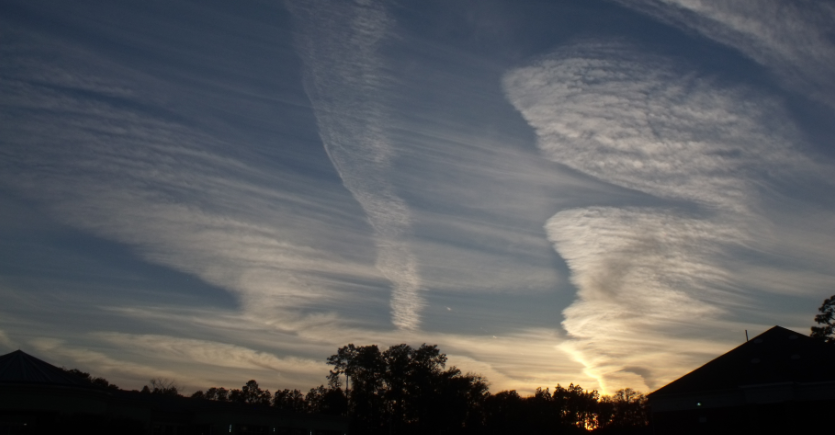
[Top Image: Sunset over Mobile, Alabama, on February 9, 2013 | Dennis Mersereau]