Skip to content
DAMWeather DAMWeather DAMWeather

The weather can get scary. Reporting on it doesn't have to be.

DAMWeather DAMWeather DAMWeather

The weather can get scary. Reporting on it doesn't have to be.

  • About Me
  • All Bylines
    • Books, Bylines, and Press
    • The Skies Above (Book)
    • Extreme Weather (Book)
    • The Weather Network
    • The Vane
    • Forbes
    • Capital Weather Gang
    • Mental Floss
  • Maps
    • Hurricane Maps
    • Hurricane Names
    • Monthly Tornadoes
    • Tornado Tracks
    • F5/EF-5 Tornadoes
    • SPC High Risk Days
  • GIS Resources
  • Contact Me
    • Bluesky
    • Facebook
    • Instagram
  • wxdam.com
  • About Me
  • All Bylines
    • Books, Bylines, and Press
    • The Skies Above (Book)
    • Extreme Weather (Book)
    • The Weather Network
    • The Vane
    • Forbes
    • Capital Weather Gang
    • Mental Floss
  • Maps
    • Hurricane Maps
    • Hurricane Names
    • Monthly Tornadoes
    • Tornado Tracks
    • F5/EF-5 Tornadoes
    • SPC High Risk Days
  • GIS Resources
  • Contact Me
    • Bluesky
    • Facebook
    • Instagram
  • wxdam.com
Close

Search

Cyclone Fani Makes Landfall in India With 155 MPH Winds

By Dennis Mersereau
May 3, 2019 3 Min Read

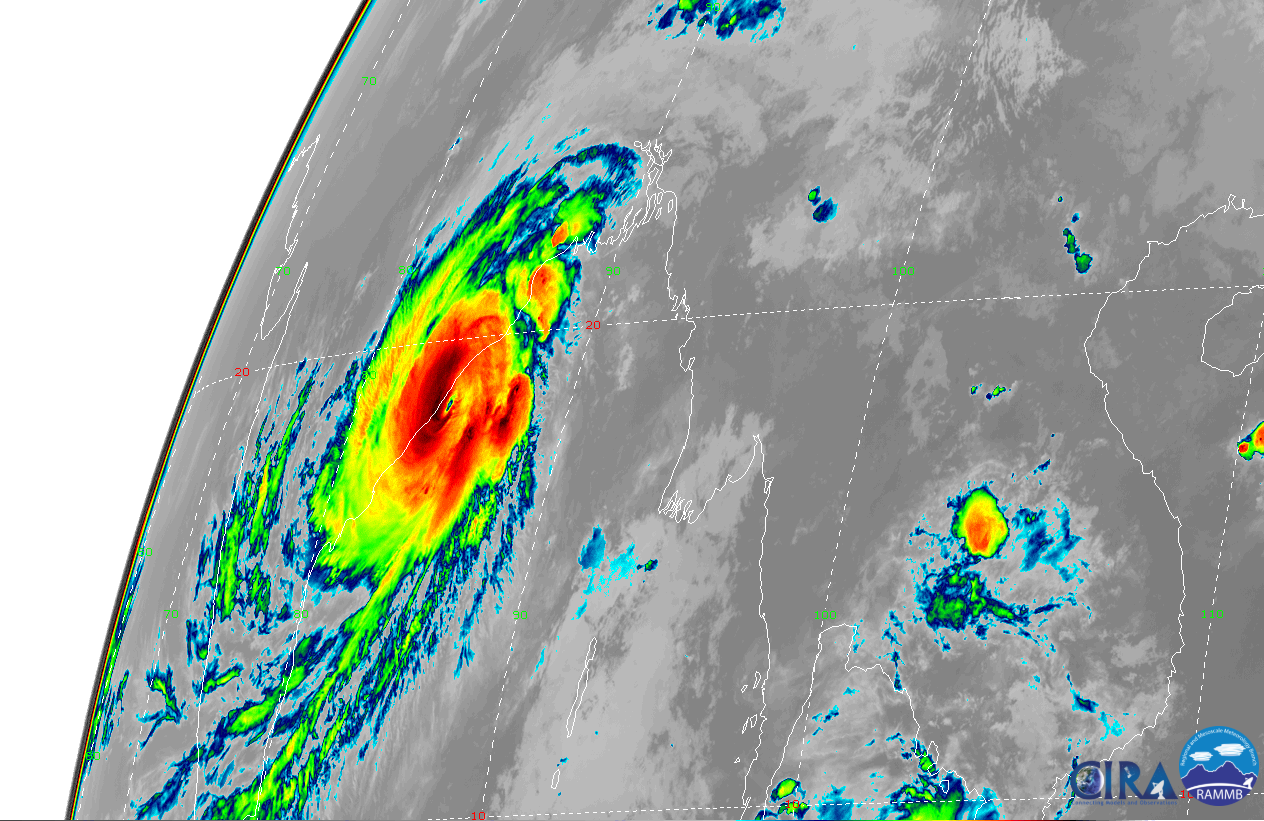
Cyclone Fani made landfall in northeastern India on Friday with maximum sustained winds of about 155 MPH, the equivalent strength of a high-end category four hurricane on the Saffir-Simpson Hurricane Wind Scale. The storm will bring a deep storm surge, intense wind damage, and widespread flooding to the towns and villages along its path as the storm pushes into northeastern India and curves northeast toward Bangladesh.

The core of the storm came ashore near Puri, home to about 200,000 people, or about 300 miles southwest of Kolkata. The cyclone’s extreme wind and surge will affect hundreds of thousands of people in communities along India’s northeastern coast, with flooding rains affecting millions more over the next couple of days. Like we saw in Mozambique earlier this year—and so many times before here in the United States—flooding from storm surge and heavy rain is the leading cause of fatalities in a landfalling tropical cyclone.

Indian authorities evacuated nearly a million people from low-lying areas ahead of Cyclone Fani, which is reportedly the largest evacuation in modern Indian history. The large-scale evacuation ahead of Fani could succeed in cutting down the number of casualties from the storm. The massive evacuation ahead of Cyclone Phailin, which made landfall in 2013 not far from where Fani just came ashore, is likely responsible for the former storm’s relatively low death toll. Phailin came ashore with maximum winds of about 125 MPH and observers widely feared that the winds and flooding would kill thousands of people; ultimately, only a few dozen fatalities were reported after the storm.

Even though storms of this strength are relatively rare in the northern Indian Ocean, it’s not hard to see why the storm was able to rapidly develop once it rooted itself in the environment. The cyclone managed to take advantage of ample moisture, low wind shear, and extremely warm waters—approaching 90°F in the Bay of Bengal!—allowed the storm to grow about as strong as it could. Warm waters provide the instability needed to sustain and grow the thunderstorms around the core of a tropical cyclone. Stronger thunderstorms in the eyewall strengthen the tropical cyclone itself.

NOAA

If the storm is verified to have maintained its 155 MPH maximum winds through landfall, such winds would make Fani one of the strongest cyclones to hit India in modern times. It’s relatively rare for such a strong storm to make it to shore; only a handful of category-three-equivalent storms have struck India since the 1900s. The nearest analog to Fani would be an unnamed cyclone in October 1999 that made landfall at the same strength and in roughly the same area as Fani. The unnamed storm killed more than 10,000 people. One major difference between Fani and the unnamed cyclone 20 years ago is that the former storm stalled near the coast, which exacerbated the horrific flooding, while Fani will continue moving as it pushes inland toward Bangladesh this weekend.

[Top Image: RAMMB/CIRA]


You can follow me on Twitter or send me an email.

Please consider subscribing to my Patreon. Reader-funded news is more important than ever and your support helps fund engaging, hype-free weather coverage.
 

Author

Dennis Mersereau

I have 15+ of experience providing hype-free weather information for folks across the United States and around the world. In addition to DAMWeather, I also contribute to The Weather Network as a digital writer and weather specialist.

Follow Me
Other Articles
Previous

We Should Move The Start of the Atlantic Hurricane Season to May

Next

The 1999 Okla. Tornado Sticks With Us Because It Was Our First Immersive Weather Disaster


Local ◈ UTC
Facebook | Bluesky
Instagram | Threads | Email
DAMWeather is now ad-free! Everyone benefits from engaging, hype-free weather coverage. Please consider supporting my efforts through Patreon:


Order The Skies Above today!

Bookshop.org || Barnes & Noble
Mountaineers Books || Amazon

My latest book, The Skies Above, is now available!

Did you know a puffy cloud can weigh millions of pounds? Or that every rainbow you see is unique to you?

Our atmosphere is full of spectacular sights that are always within your reach. Glistening layers of fog, gorgeous sunsets, and brilliant meteors flashing through the sky can light up even the calmest day.

The Skies Above, published by Mountaineers Books, is a celebration of what we overlook when we look up. I was thrilled to work with the editors and illustrators at Indelible Editions to share with you the quotidian beauty of our sky.

Order your copy now and learn about the wonders we take for granted every day.

I teamed up with the editors of Outdoor Life magazine to write The Extreme Weather Survival Manual, your guide to surviving and thriving in almost any weather condition. Whether you're an avid outdoorsperson or you enjoy watching the radar from the comfort of your home, you're sure to find helpful tips, advice, and new bits of knowledge in this fascinating book.

You can buy my book today through Amazon.
  • 2026 (34)
  • 2025 (49)
  • 2024 (59)
  • 2023 (43)
  • 2022 (57)
  • 2021 (71)
  • 2020 (83)
  • 2019 (88)
  • 2018 (92)
  • 2017 (1)
  • 2016 (4)
  • 2015 (10)

Copyright 2026 — DAMWeather. All rights reserved. Blogsy WordPress Theme